
Rise of the Kings
ONEMTStrategy
4.35.58K Reviews
- Version
- 1.9.88
- Installs
- 10.00M
- Age Rating
- Everyone 10+
Screenshots
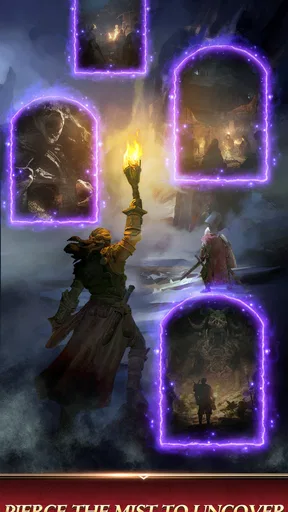
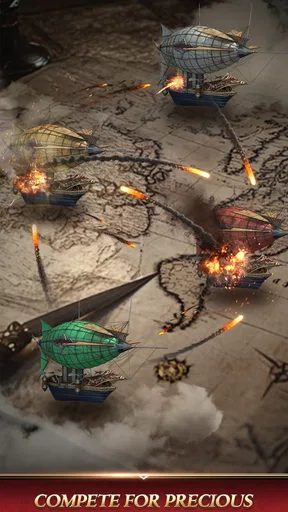
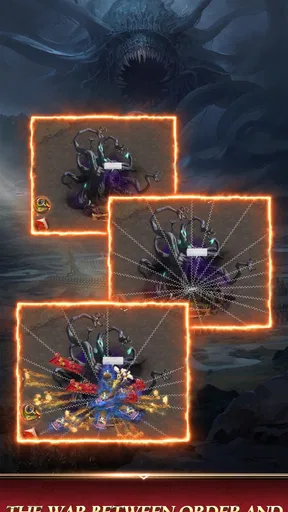
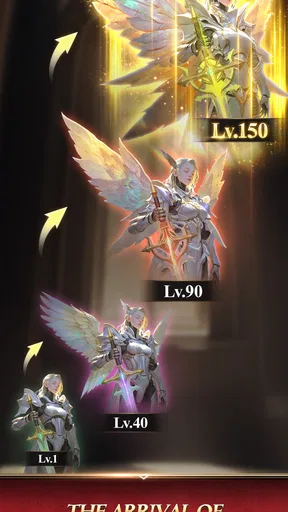
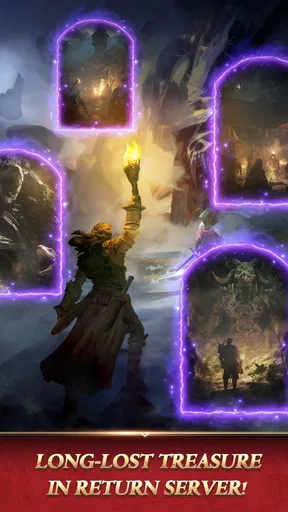
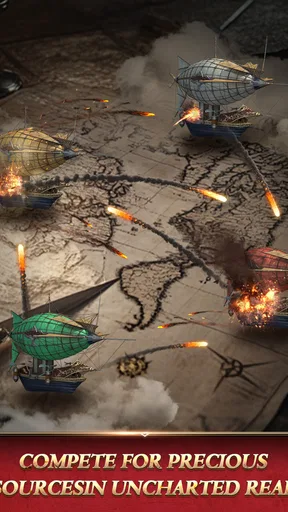
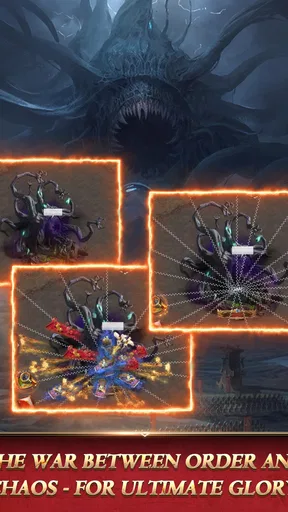
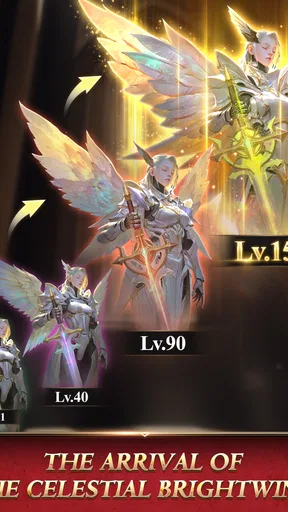
Our Review of Rise of the Kings
 Analysis by Appyee
I came away from Rise of the Kings feeling that it is best understood as a long-term fantasy strategy game rather than a quick battle app. I spent time balancing construction, troop preparation, research, territory decisions, and the constant pressure to think about what comes next. The central appeal is not simply sending elves and men into combat; it is building a position strong enough to survive the decisions made before and after each battle.
That distinction matters. If you want a game that gives you a short match, a clean finish, and little reason to return between sessions, this probably will not be the right fit. If you enjoy watching a settlement develop, making imperfect choices, and gradually turning a vulnerable kingdom into a serious power, I can see the attraction. ONEMT has made a strategy game that rewards patience, but it also asks for regular attention and a willingness to live with systems that become more demanding over time.
What the kingdom-building loop feels like in practice
The opening hours are easy to understand. I was given a fantasy realm to develop, military forces to organize, and a series of goals that helped introduce the basic rhythm. Buildings and upgrades create the foundation, while troops and research determine how confidently I can approach conflict. The important part is that these activities are connected: improving one area often exposes a weakness somewhere else.
For example, concentrating only on military growth can leave the wider settlement underdeveloped. Focusing too heavily on construction can make the kingdom feel safe while its forces fall behind. I found the most satisfying progress came from alternating between economic preparation and military planning instead of treating either side as a separate game. That makes every upgrade feel like part of a larger decision rather than a button I press simply because it is available.
The fantasy setting gives those choices a clearer identity than a purely historical strategy game. Elves and men create the feeling of a divided, dangerous world, and the throne provides an understandable long-term direction. I never needed a complicated explanation to understand the basic motivation: strengthen the realm, protect what I have built, and look for opportunities to expand.
Combat is most interesting when I prepare for it rather than treating it as an isolated spectacle. Before committing troops, I consider whether the reward is worth the risk, whether my current strength is enough, and whether spending resources now will slow down an important upgrade. That preparation is where much of the strategy lives. The battle itself matters, but the surrounding decisions are what give it weight.
Why the progression can hold attention
The game is designed around gradual improvement, and I think that works best when I play in short, deliberate visits. I can check the state of the kingdom, start a useful upgrade, adjust my plans, and leave with a clear next step. When I return later, the settlement feels as though it has moved forward even if I only made a few decisions.
A useful habit is to avoid spending every available resource immediately. Keeping a reserve gives me more flexibility when an unexpected military need appears or when a valuable development becomes available. This is one of the less obvious lessons of the game: visible progress is not always the same as good progress. A kingdom that looks busy can still be poorly prepared if all of its resources are tied up in one direction.
I also found it helpful to decide what kind of player I wanted to be before making too many upgrades. A defensive approach favors stability and careful preparation, while a more aggressive approach requires accepting greater risk and maintaining enough strength to recover from setbacks. The game does not make that choice disappear through a single universal strategy. Different priorities change how I value time, troops, and resources.
That makes the experience more involving than a simple sequence of missions. I am not only asking, “What can I upgrade?” I am asking, “What will this upgrade allow me to do, and what will I be unable to do while I wait for it?” That second question is where the game becomes genuinely strategic.
Playing around a normal day
My favorite way to approach it is during small gaps in the day. I might begin an upgrade before leaving for work, check the kingdom during a break, and then return in the evening to decide whether the next priority should be research, troops, or construction. This routine suits the game better than trying to rush through everything in one sitting.
That workflow also reveals a trade-off. The game can fit around a busy schedule, but it becomes less enjoyable if I feel obliged to check it constantly. The best experience comes from using those visits to make meaningful decisions, not from turning every spare minute into a demand to monitor timers. Players who dislike waiting-based progression may find this rhythm restrictive, even if they enjoy the fantasy theme.
Another practical tip is to treat every major attack as a commitment. I try not to launch an offensive simply because the option is available. I first make sure the kingdom can continue developing afterward. Winning a battle is satisfying, but a victory that delays several important improvements may not be worth the short-term reward. That kind of opportunity-cost thinking is more important here than reflexes.
Where the game is strongest—and where it asks too much
The strongest part of Rise of the Kings is the way its systems encourage planning beyond the next action. Construction, armies, and research are not just separate menus; they compete for attention and resources. I regularly found myself changing plans because a military concern made a building upgrade more urgent, or because a development goal was not worth weakening the kingdom.
That layered decision-making gives the game a satisfying sense of ownership. My kingdom does not feel like a decorative backdrop to battles. Its condition affects what I can attempt, how safely I can attempt it, and how quickly I can recover from a mistake. Even when progress is slow, the decisions remain understandable, which makes the waiting easier to tolerate.
The other strength is accessibility. The game is aimed at players who want recognizable strategy ideas without needing to learn a dense simulation first. Its fantasy presentation is approachable, and the basic loop is clear enough for a newcomer to follow. The age rating is Everyone 10+, which fits the broad, fantasy-focused presentation while still leaving room for conflict and strategic pressure.
It also has a substantial audience. The game holds a 4.3 average from around 191 thousand ratings and has passed 10 million installs. Those figures do not guarantee that every player will enjoy the pacing, but they do suggest that the core kingdom-building formula has found a wide audience. I would still judge it by personal taste rather than popularity, especially because the long-term structure is more important than the first few minutes.
The main weakness is the friction created by progression pacing and optional spending. The game is free to start, but in-app purchases range from $0.99 to $99.99 per item. That does not automatically make the experience unfair, yet it changes how I think about speed. Whenever progress slows, the presence of paid options can make the wait feel less like a strategic pause and more like a pressure point.
For me, the solution is to set a personal rule before playing: I decide whether I am treating the game as a free experience and accept its slower rhythm, or whether I am comfortable paying occasionally for convenience. Mixing those attitudes without a limit can make the game frustrating. I would not recommend beginning with the expectation that spending will be necessary, but I would recommend being aware that the design includes paid acceleration and planning around it.
That is also why the game may not suit someone who wants a completely even competitive environment. A player who prefers strategy to be determined almost entirely by tactical skill may be happier with a traditional match-based strategy game, where each session starts from a more equal position. Here, accumulated development and long-term investment are central to the experience, so the feeling of fairness depends partly on what kind of progression you enjoy.
Small decisions that improve the experience
One of the most useful approaches I found was to keep a clear priority instead of upgrading whatever happened to be ready. If I am preparing for conflict, I make the supporting improvements first. If I am trying to stabilize the realm, I avoid wasting resources on an attack that will not help that plan. This sounds simple, but the game offers enough competing options to make disciplined prioritization valuable.
I also recommend checking the kingdom before committing to a long absence. Starting a development task is not only about its immediate benefit; it is about whether the realm will be in a better position when I return. A short review of resources, military readiness, and current objectives prevents the common mistake of leaving the kingdom halfway prepared for several different goals.
Another trade-off involves growth speed. Expanding too quickly can create a larger-looking realm without the support needed to defend it. Slower, more deliberate development may feel less impressive, but it gives me a stronger base for later choices. This is a concrete reason not to chase every visible opportunity. The most attractive move is not always the most sustainable one.
Finally, I try to separate emotional decisions from strategic ones. Losing ground or seeing an opponent advance can tempt me into an immediate response. Sometimes that response is exactly what the situation requires, but sometimes it only drains resources that would have been better used elsewhere. Waiting long enough to identify the real threat is one of the clearest ways to improve at this game.
How it compares with other strategy choices
Compared with a quick competitive strategy title, this game feels slower and more persistent. The reward comes from returning to a developing kingdom rather than mastering a single match. That makes it a better choice for players who like continuity, but a weaker choice for anyone who wants instant tactical variety and a clean conclusion after each session.
Compared with a purely city-building game, it places more emphasis on military readiness and the tension of possible conflict. I cannot focus only on decoration or economic expansion; the realm exists in a world where strength affects what I can safely pursue. Players who want a peaceful construction sandbox may find the strategic pressure unwelcome.
Compared with a traditional role-playing game, the focus is less on controlling one hero through a tightly scripted adventure and more on managing a wider power structure. The fantasy atmosphere is present, but the satisfaction comes from making the kingdom function. If your favorite part of a fantasy game is character dialogue and direct exploration, this may feel distant. If you prefer overseeing armies and long-term development, it is a closer match.
The current version is 1.9.88 and it runs on Android 5.0 or later. That makes it accessible to people using older Android devices, although actual comfort will still depend on the device and the player’s tolerance for a persistent strategy interface. I would check that my phone handles the game comfortably before committing to a long-term kingdom, because this is the sort of title I would want to revisit regularly rather than install for one brief experiment.
Who should play and who should pass
I would recommend it to players who enjoy planning several steps ahead, checking progress in short sessions, and watching a fantasy settlement become more capable. It is particularly suitable for someone who likes the feeling of a continuing project. The game gives me reasons to remember what I was building toward, and that sense of continuity is more important than any single battle.
It is also a good fit for people who enjoy making choices under limited resources. The most rewarding moments are not necessarily the largest victories. They are the moments when a careful decision prevents a problem, preserves a reserve, or turns a weak position into a workable one. If that kind of quiet optimization sounds satisfying, the game has a lot to offer.
I would be more cautious about recommending it to players who dislike timers, repeated resource management, or optional purchases in free-to-play games. The fantasy setting may attract you, but the long-term structure will determine whether you stay. Someone looking for a premium game with a fixed price and a fully controlled pace should consider a different strategy experience instead.
It is also not my first recommendation for a player with only a few minutes and no interest in returning later. Although individual visits can be brief, the larger experience depends on continuity. Skipping too much of that ongoing development weakens the reason to play, because the kingdom’s history and accumulated decisions are part of the appeal.
For a newcomer, I suggest starting slowly, learning how the different development choices affect one another, and resisting the urge to spend simply because a shortcut is visible. Give the free progression a fair trial first. That makes it easier to judge whether the game’s natural pace suits you, rather than confusing convenience purchases with the quality of the underlying strategy.
After spending time with it, my view is clear: this is a patient player’s fantasy strategy game, not a quick battle toy. Its best ideas appear when I plan around limited resources, prepare before attacking, and accept that a strong kingdom is built through many connected decisions. Its weakest moments come when progression feels like a wait that can be shortened through spending.
ONEMT has created a broad, approachable kingdom-management experience with enough military pressure to keep development meaningful. The free entry point makes it easy to try, and the large player base shows that its formula has lasting appeal. Still, I would only recommend committing to it if you are comfortable with a long-term pace and can set sensible boundaries around optional purchases.
My final recommendation is to install it if you want an ongoing fantasy realm to manage during short daily sessions. Play something else if you want fast matches, a one-time purchase, or strategy decided without accumulated progression. For the right player, the slow growth is the point: every upgrade, reserve, and carefully chosen battle contributes to the feeling that the throne is being earned rather than handed over.
Verdict
Strengths of Rise of the Kings
- Large-scale kingdom battles offer plenty of strategic depth.
- Regular events provide new objectives and rewards.
- Alliance features make teamwork and diplomacy important.
- Multiple commanders allow varied army and combat strategies.
- Detailed fantasy visuals create an engaging medieval atmosphere.
Limitations of Rise of the Kings
- Progress can feel slow without frequent play or resource spending.
- The many menus and systems may overwhelm new players.
- Power gaps between older and newer servers can be significant.
- Energy, timers, and resource limits interrupt longer sessions.
- Notifications can become frequent and distracting over time.
Other Releases by ONEMT
View All
War Eternal-Divine Battlefield
Strategy4.1
Similar Picks in This Category
View All
Clash of Clans
Supercell4.5

Plants vs. Zombies™
ELECTRONIC ARTS3.7

Lords Mobile: Kingdom Wars
IGG.COM4.5

Clash Royale
Supercell4.4

State.io — Conquer the World
CASUAL AZUR GAMES4.1

Car Driving School : Car Games
Spark Game Studios3.9
Frequently Asked Questions
What is Rise of the Kings, and what kind of gameplay does it offer?
Rise of the Kings is a real-time medieval strategy game for mobile devices. You build and upgrade a kingdom, train armies, research technologies, gather resources, and defend your territory while expanding across a large world map. The game combines city management, alliance cooperation, diplomacy, and player-versus-player battles, so progress depends on both long-term planning and timely decisions during events and conflicts.
Is Rise of the Kings free to download and play?
Rise of the Kings can be downloaded and played for free, but it includes optional in-app purchases. These purchases may provide premium currency, speed-up items, resources, commanders, or event advantages that can reduce waiting times. You can make progress without spending money, although free players generally need more patience and consistent activity. Parents should also review purchase restrictions before allowing children to play.
Does Rise of the Kings require an internet connection?
Yes, Rise of the Kings is primarily an online game and requires a stable internet connection for most of its features. Your kingdom, alliance activity, world-map movements, events, and battles are connected to live game servers. Because of this, it is not well suited for completely offline play. Connection quality can also affect loading times, battle updates, and access to time-limited events.
Can I play Rise of the Kings with other players?
Multiplayer interaction is a major part of Rise of the Kings. You can join or create an alliance, communicate with other members, participate in group events, reinforce allies, and coordinate attacks or defenses. The social and competitive systems add considerable depth, but they also mean that regular activity is helpful. Players who prefer a purely solo experience may find alliance wars and server competition demanding.
What should new players know before starting Rise of the Kings?
New players should focus on completing beginner missions, upgrading essential buildings, researching useful technologies, and protecting resources rather than rushing into unnecessary battles. Joining a helpful alliance early is especially valuable because experienced members can provide support and advice. It is also wise to save premium currency for important upgrades and events, since careless spending can slow progress later in the game.
Play our best games!


